Adorable Ruffle Frame Canva Template: Instant Charm
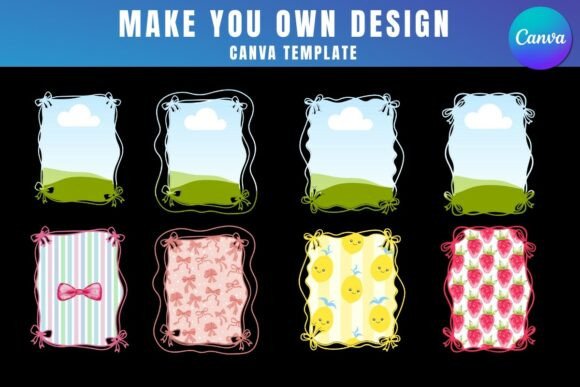
There’s a certain kind of visual magic in a well-placed frame. It’s not just a border; it’s a spotlight. It tells the viewer, “Look here. This is important.” And when that frame has the soft, tactile quality of a delicate ruffle, it adds a layer of warmth, whimsy, and handmade charm that’s hard to replicate with a simple straight line. This is the core appeal of the Cute Ruffle Frame Canva Template. It’s a digital design asset that instantly infuses your projects with personality, transforming a standard graphic into something that feels curated and personal.
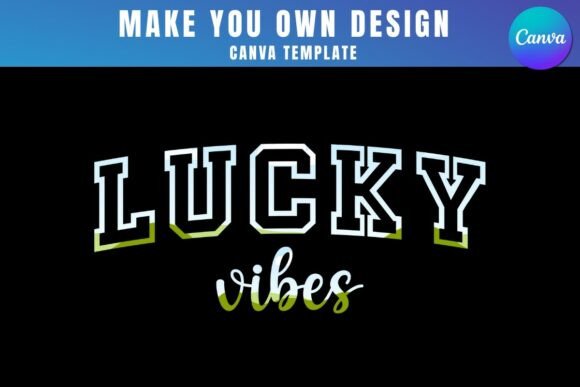
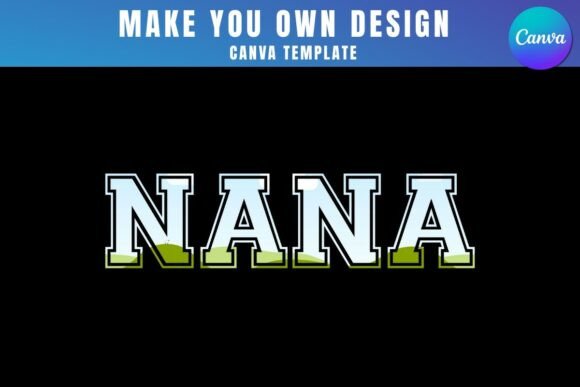
Visually, these frames are characterized by their gentle, flowing edges that mimic the folds of fabric or paper. They aren’t rigid or geometric; instead, they have an organic, almost playful irregularity. This style taps into a broader trend in modern typography and design that values texture and human touch over sterile perfection. The personality of the Cute Ruffle Frame Canva Template is friendly, approachable, and inherently decorative. It suggests care, creativity, and a touch of nostalgia, making it perfect for projects that aim to connect on an emotional level. It’s a creative font for the world of graphics, offering a way to frame content that feels both professional and delightfully personal.
Where a Touch of Ruffle Works Best
The true strength of a design asset like this lies in its versatility. While the style is specific, its applications are broad. For entrepreneurs and small business owners, especially those in the lifestyle, baby, wedding, or boutique spaces, these frames are a secret weapon for brand identity. Use them on social media graphics to frame a new product announcement, a customer testimonial, or a quote that aligns with your brand values. The ruffle adds a layer of perceived quality and attention to detail that can elevate a simple Instagram post into a piece of branded content.
Bloggers and content creators will find them invaluable for designing Pinterest pins that stand out in a crowded feed. A beautiful photo of a recipe, a DIY project, or a travel destination instantly gains more visual hierarchy and click-worthiness when nestled within a charming frame. For publishers and authors in certain genres—think children’s books, romance novels, or cozy mysteries—these frames can be used on promotional materials, bookmark designs, or even chapter headers to reinforce the book’s tone and style. They are a form of editorial design that speaks directly to the reader’s expectations.
Even for personal projects, the utility is clear. Designing a birthday party invitation, a baby shower thank-you card, or a school event flyer becomes simpler and more effective. You don’t need to be a professional graphic designer to achieve a polished, thematic look. The template does the heavy lifting, providing a professional-grade frame that you can customize with your own colors and images. It’s a practical example of how modern design tools are democratizing creativity, giving everyone access to premium font and graphic styles that were once the domain of specialized software.
Working With Your Frame: Practical Guidance
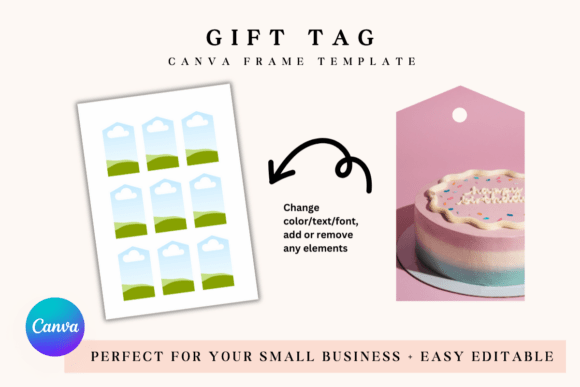
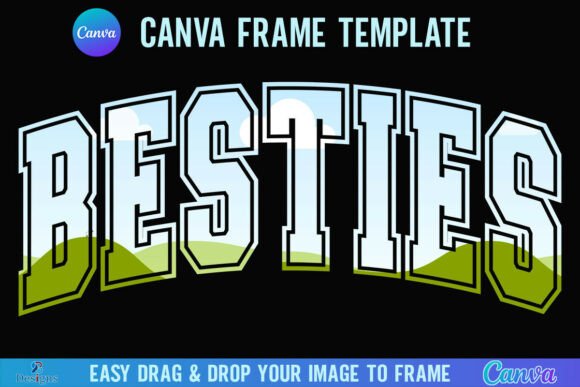
Accessing and using the Cute Ruffle Frame Canva Template is straightforward, but a few key details will ensure a smooth experience. Upon purchase, you’ll receive a PDF containing a direct link to the templates in Canva. You’ll need a free Canva account to open and edit them. This is a digital product; the value is in the editable template itself, not a physical item. Once in the Canva editor, the process is intuitive: simply drag and drop your chosen PNG or JPG background images into the designated frame areas. The frames are designed to make this process seamless, allowing you to focus on your content rather than complex masking techniques.
A critical consideration is the final output. If your project requires a transparent background—perhaps for layering the framed image onto another design or for use on a colored website background—you will need a Canva Pro subscription or higher. The free version of Canva will export with a solid white background. This is an important factor in your project planning and budget. Furthermore, it’s essential to understand the tool’s limitations. These templates are built exclusively for Canva. They are not compatible with SVG files, nor can they be used directly with cutting machines like Cricut or Silhouette. Their home is within the Canva ecosystem, where they function as a powerful design asset for digital and print-ready projects.
Evaluating Fit and Pairing for Maximum Impact
Not every project calls for a ruffle frame. The key is to evaluate whether its personality aligns with your message. Ask yourself: does my brand or project have a soft, approachable, artisanal, or whimsical quality? If you’re designing for a law firm, a tech startup, or a fitness brand focused on intensity, a ruffle frame might send mixed signals. But for a bakery, a floral shop, a wedding planner, or a children’s boutique, it’s a perfect match. It strengthens brand perception by visually reinforcing the core attributes of the business.
Think about visual hierarchy. The frame is a strong decorative element. It should enhance your central image or message, not compete with it. If you’re framing a product photo, ensure the product itself is the star. The frame acts as the supporting cast. For readability, if you’re placing text inside the frame, choose a clean, legible typeface. A Cute Ruffle Frame Canva Template pairs beautifully with a simple sans serif font or a elegant script font, creating a balanced contrast between the ornate frame and the clear text. Avoid pairing it with another highly decorative or handwritten font, as this can create visual clutter and reduce legibility.
Ultimately, these templates are about adding a specific flavor to your work. They are a tool for consistency. By using the same style of frame across a series of social media posts, a collection of product labels, or a set of workshop materials, you build a recognizable visual language. This consistency is a cornerstone of professional design and effective brand identity. It’s not about using the frame on every single piece, but about using it strategically to create a cohesive and engaging visual story for your audience.