Canva Letters Frame Alphabet Template122: A Modern Design Asset
When you're building a brand or crafting a marketing campaign, the small details often carry the most weight. Typography is one of those details. It shapes how your message feels before anyone reads a single word. The Canva Letters Frame Alphabet Template122 offers a fresh approach to letterforms—one that blends visual interest with practical flexibility for designers, entrepreneurs, and content creators who want something beyond standard fonts.
What Makes This Template Different
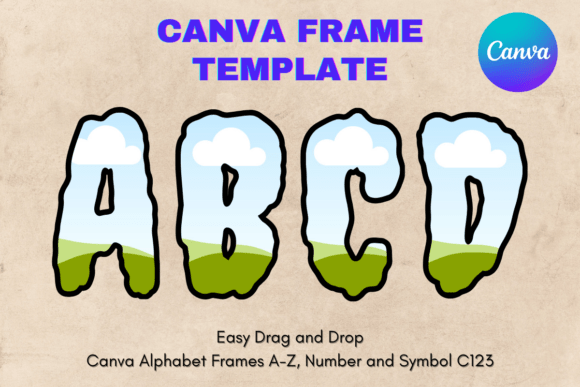
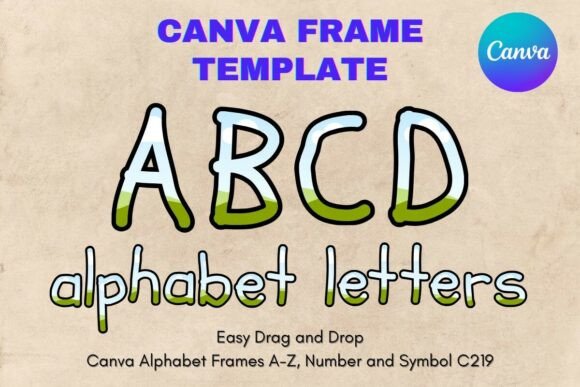
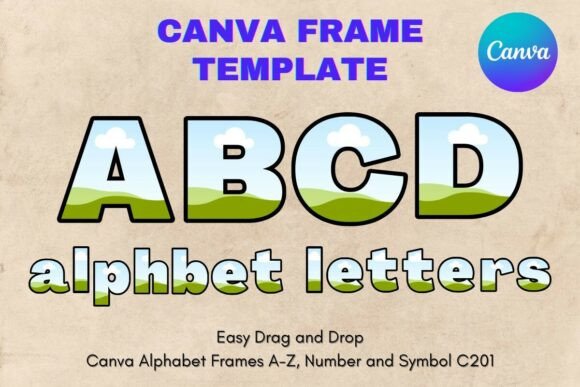
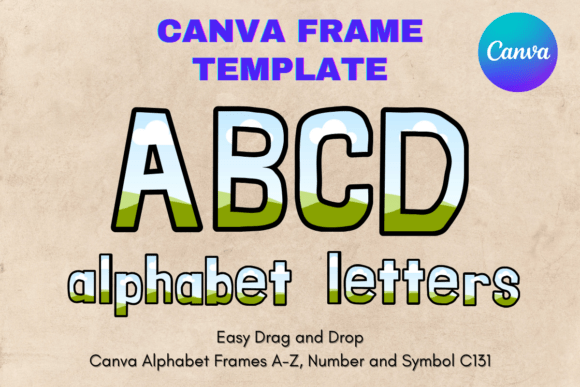
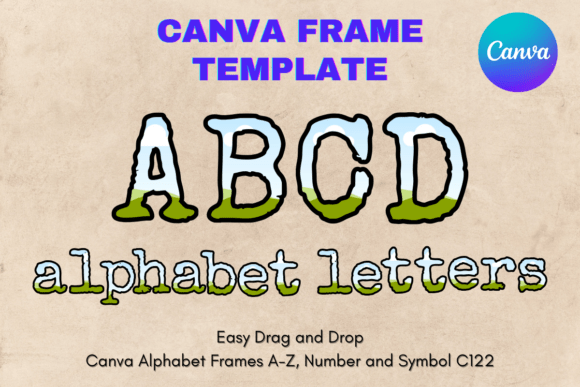
This isn't a traditional font file you install on your computer. The Canva Letters Frame Alphabet Template122 is an editable Canva frame template delivered as a PDF containing a direct link to your custom Canva templates. Each letter comes as its own frame, which means you can drag and drop images, patterns, textures, or colors directly into the letterforms. The result is a set of letters that carry your unique visual identity inside every stroke.
The visual personality of these frames leans toward modern typography with a clean, structured aesthetic. The letterforms have enough presence to work as display elements while remaining legible at various sizes. Because the templates sit on an 8.5×11 inch paper size, they're designed for practical output—but you can scale them up or down depending on your project. The transparent layer makes them especially useful for vinyl cutting, sublimation printing, and layered digital compositions.
Think of it this way: instead of choosing a premium font and hoping it fits your brand, you're working with letter-shaped canvases that become whatever you need them to be. A floral pattern inside the letters tells one story. A bold gradient tells another. The template itself stays consistent while your creative choices define the final look.
Where This Template Shines
The versatility of the Canva Letters Frame Alphabet Template122 makes it a practical addition to several types of projects. Here's where it tends to work best:
- Logo design and brand identity — Create monogram-style logos or brand initials that incorporate your exact color palette, textures, or imagery. This gives your visual identity a distinctive look that stock fonts can't replicate.
- Social media graphics — Eye-catching letterforms filled with seasonal imagery, product photos, or branded patterns stop the scroll. Use them for announcement posts, sale graphics, or highlight covers.
- Packaging design — Initial letters or short words rendered in these frames add a tactile, custom feel to product labels, box designs, and tags.
- Editorial design and publishing — Drop caps, chapter headings, and feature titles gain visual weight when the letters themselves become design elements rather than just characters.
- Sublimation and vinyl projects — The transparent layer and clean edges make these frames ideal for custom mugs, tumblers, wall art, and signage. Crafters and small business owners producing physical goods will find this especially valuable.
- Web design — Hero sections, about pages, and landing pages benefit from oversized letter graphics that reinforce brand personality without relying on complex illustrations.
The key advantage here is that you're not locked into a single aesthetic. A script font or handwritten font carries a fixed personality. These frames adapt to whatever direction your project requires, making them a genuinely flexible design asset rather than a one-note decorative element.
How Frame Letters Influence Brand Perception
Typography choices communicate before content does. When someone sees your Instagram post, product packaging, or website header, the letterforms register emotionally in milliseconds. Frame-based letters like those in the Canva Letters Frame Alphabet Template122 add an extra dimension to that communication.
Because the letters contain visual content—whether that's a color, image, or texture—they create a sense of depth and intentionality. This signals to your audience that thought went into the design. For small business owners and entrepreneurs, that perception of care translates directly into perceived professionalism. People associate polished visuals with reliable brands, even if the underlying process was surprisingly straightforward.
There's also a consistency benefit. Once you establish how you use these frames—specific fill styles, color treatments, sizing conventions—you create a recognizable visual language. Over time, your audience starts associating that particular treatment with your brand. That's the foundation of strong brand identity work, and it doesn't require a design agency budget to achieve.
Practical Tips for Getting the Most Out of This Template
Working with frame templates in Canva is intuitive, but a few considerations will help you produce stronger results:
- Start with your brand palette. Before filling the frames, know your colors. Pull your hex codes or upload your brand kit to Canva so the letters feel cohesive with everything else you create.
- Test fill complexity. Busy photographs inside small letters can become muddy. For text-heavy layouts or smaller applications, solid colors or subtle gradients tend to read better. Reserve detailed imagery for larger display sizes.
- Consider your font pairings carefully. If you're using these frame letters as a headline element, pair them with a straightforward sans serif font or serif font for body text. The contrast between decorative frames and clean supporting type creates a balanced visual hierarchy that guides the reader naturally.
- Scale intentionally. The template is built at 8.5×11 inches, but Canva lets you resize elements freely. Think about your output medium. A letter that works beautifully on a poster might need simplification for a business card.
- Use the transparent layer strategically. For sublimation and vinyl work, the transparency means you can layer these letters over existing backgrounds without awkward white boxes or color conflicts. This is particularly helpful for packaging design and merchandise.
- Review commercial licensing. If you plan to use designs created with this template for commercial purposes—selling printed goods, client work, or branded merchandise—confirm the licensing terms before committing to a project. Understanding usage rights upfront prevents complications later.
A Smart Addition to Your Design Toolkit
The Canva Letters Frame Alphabet Template122 fills a gap that traditional fonts leave open. Standard typefaces give you consistent letterforms, but they don't give you letters that carry your brand's visual DNA inside every curve. This template bridges that distance between typography and custom illustration in a way that's accessible to anyone comfortable with Canva's basic interface.
For designers managing multiple client brands, the ability to produce unique letter treatments without custom illustration saves meaningful time. For entrepreneurs and content creators without formal design training, it offers a path to elevated visuals that feel professional without requiring advanced skills. And for crafters working on physical products, the sublimation-ready format removes a technical barrier that often slows down production.
It's worth noting that this works best as a display element rather than a body text solution. You wouldn't set a paragraph in frame letters—nor would you want to. But for the moments in your design work where a letter needs to make a statement, where a single character or short word needs to carry visual weight and brand personality, this template delivers a solution that feels custom without the custom timeline or budget.
Typography shapes perception. The tools you choose for that typography shape your workflow. The Canva Letters Frame Alphabet Template122 gives you a practical, adaptable way to create letterforms that look intentional, feel branded, and work across the wide range of projects that modern creators tackle every day.