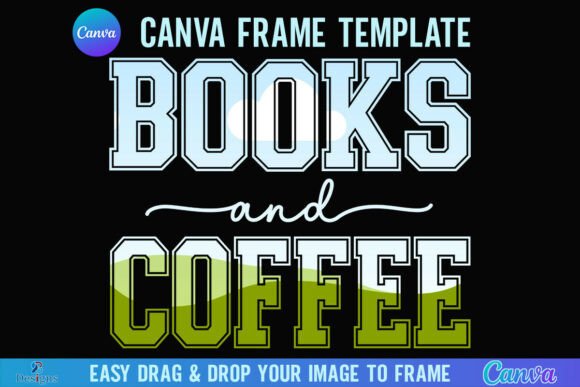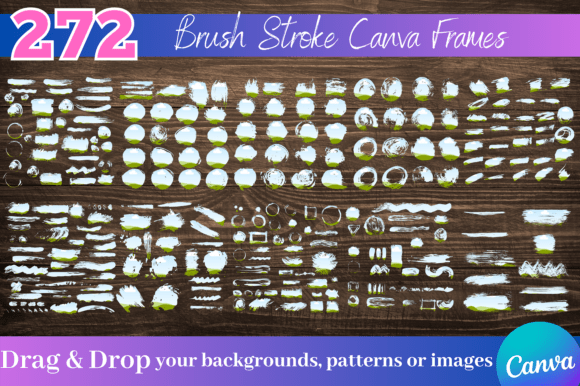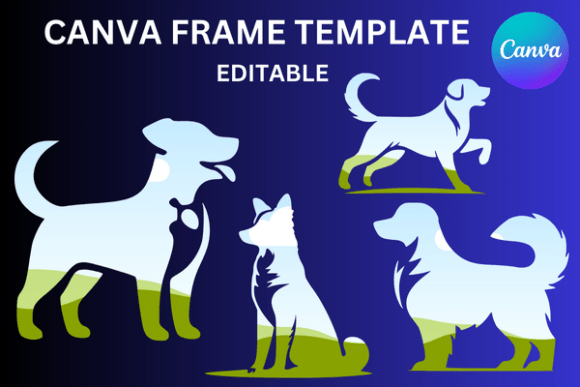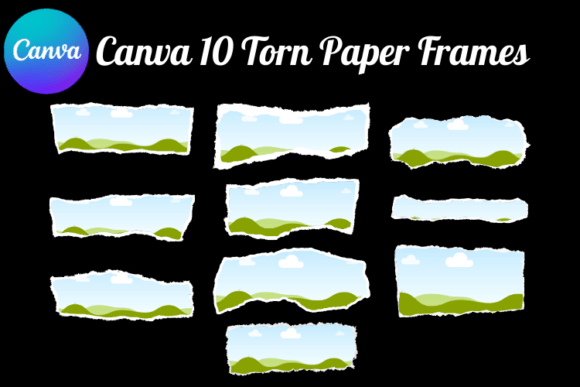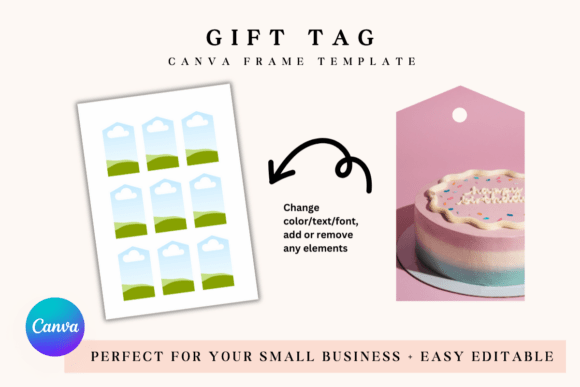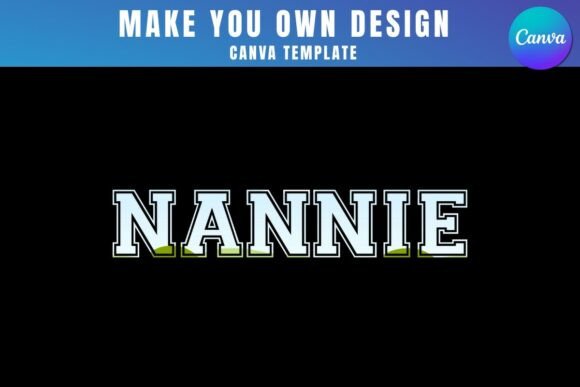
Elevate Your Designs with Nannie Canva Frame Templates
Understanding the Nannie Canva Frame Template Design
The Nannie Canva Frame Template Design is more than just a set of digital borders; it is a curated collection of visual structures designed to add depth, style, and professional polish to your creative projects. When you open these templates in Canva, you aren't just looking at static shapes. You are interacting with a dynamic design asset built for the modern content creator. The visual characteristics of these frames often lean towards a blend of contemporary aesthetics and timeless elegance, making them versatile enough for a wide range of applications.
Imagine a frame that doesn't just hold an image but enhances it. The Nannie Canva Frame Template Design achieves this through thoughtful use of negative space, subtle textures, and clean lines. Whether the style is minimalist and geometric or features more ornate, decorative flourishes, the core personality remains one of sophistication and usability. This isn't a generic border you'd find in a basic clipart collection. It's a premium font equivalent in the world of frame templates—designed with intention, balancing form and function. The overall appeal lies in its ability to transform a simple PNG or JPG background image into a cohesive part of a larger brand identity or artistic vision.
Where These Frame Templates Shine: Real-World Applications
One of the greatest strengths of the Nannie Canva Frame Template Design is its incredible versatility. As a designer, marketer, or small business owner, you need assets that work as hard as you do. These frames integrate seamlessly into countless projects, saving you time while elevating the quality of your output.
For social media graphics, they are indispensable. Use them to create consistent, branded Instagram story templates, Facebook post series, or Pinterest pins that stand out in a crowded feed. A well-chosen frame can guide the viewer's eye, establish a visual hierarchy, and make your content instantly recognizable. In editorial design, such as for blog headers or magazine-style layouts, these templates provide a structured yet creative way to showcase featured images, ensuring a professional and polished look that builds reader trust.
Beyond the digital realm, consider their application in packaging design mockups or logo design presentations. A frame can contextualize a product shot or a logo mark, helping clients or stakeholders visualize the final result. For web design, they can be used to create cohesive image galleries, testimonial sections, or featured product highlights that enhance user experience. Even for personal projects—like creating custom photo books, digital invitations, or printable wall art—the Nannie Canva Frame Template Design offers a straightforward path to a professional finish.
The Practical Impact on Your Brand and Audience
Choosing the right design elements isn't just about aesthetics; it's about strategy. The frames you select directly influence how your audience perceives your brand. A consistent use of a specific frame style, like those found in the Nannie Canva Frame Template Design, contributes to brand recognition. When your followers see that distinctive border, they'll instantly associate it with your content, fostering a sense of familiarity and trust.
Moreover, these frames are a powerful tool for establishing visual hierarchy. In a busy layout, a well-placed frame can draw attention to your most important message or image, improving readability and ensuring your key points aren't lost. This is crucial for marketing materials where clarity and impact are paramount. The right frame can make a call-to-action more noticeable or a testimonial more credible. It’s a subtle but effective way to guide your audience's journey through your content, enhancing engagement without a single word of extra copy.
A Practical Guide to Using Your Canva Frame Templates
Getting started is simple, but a few practical tips will help you get the most out of your investment. First, remember the important details: you need a free Canva account to access and edit the templates. To download your final design with a transparent background—a feature essential for layering images in other software or for specific print applications—a Canva Pro subscription is required.
When you open the PDF and click the link to access your templates, take a moment to explore the different frame options included. Don't just pick the first one you see. Consider the personality of your project. Is it playful and informal, or serious and corporate? Choose a frame that complements that tone. A script or handwritten font style frame might pair beautifully with a lifestyle blog, while a clean, geometric frame could be perfect for a tech startup's brand identity.
Testing is key. Drag and drop various images into the frames to see how they interact. Does the frame overpower the image, or does it enhance it? Pay attention to readability if you're placing text over or near the frame. Ensure there's enough contrast and that the frame's design doesn't create visual noise that competes with your message. Think of these frames as part of your larger design assets toolkit. They should work in harmony with your chosen typeface, color palette, and other graphic elements to create a unified and professional visual hierarchy.
Finally, remember the licensing. Since this is a digital product, the templates are for your use in Canva. They cannot be converted to SVG files for use with cutting machines like Cricut or Silhouette. This exclusivity ensures the integrity of the design and is a standard practice for commercial font